Bringing the Heat Without a Stove: Fresh Chilies in Raw Food
Fresh chilies give raw dishes depth and spark without any cooking. How to judge heat, where it hides in the pepper, ways to use it, how to rescue a dish that went too far, and how to preserve a harvest.
 Naomi Okafor
Recipe Development Lead
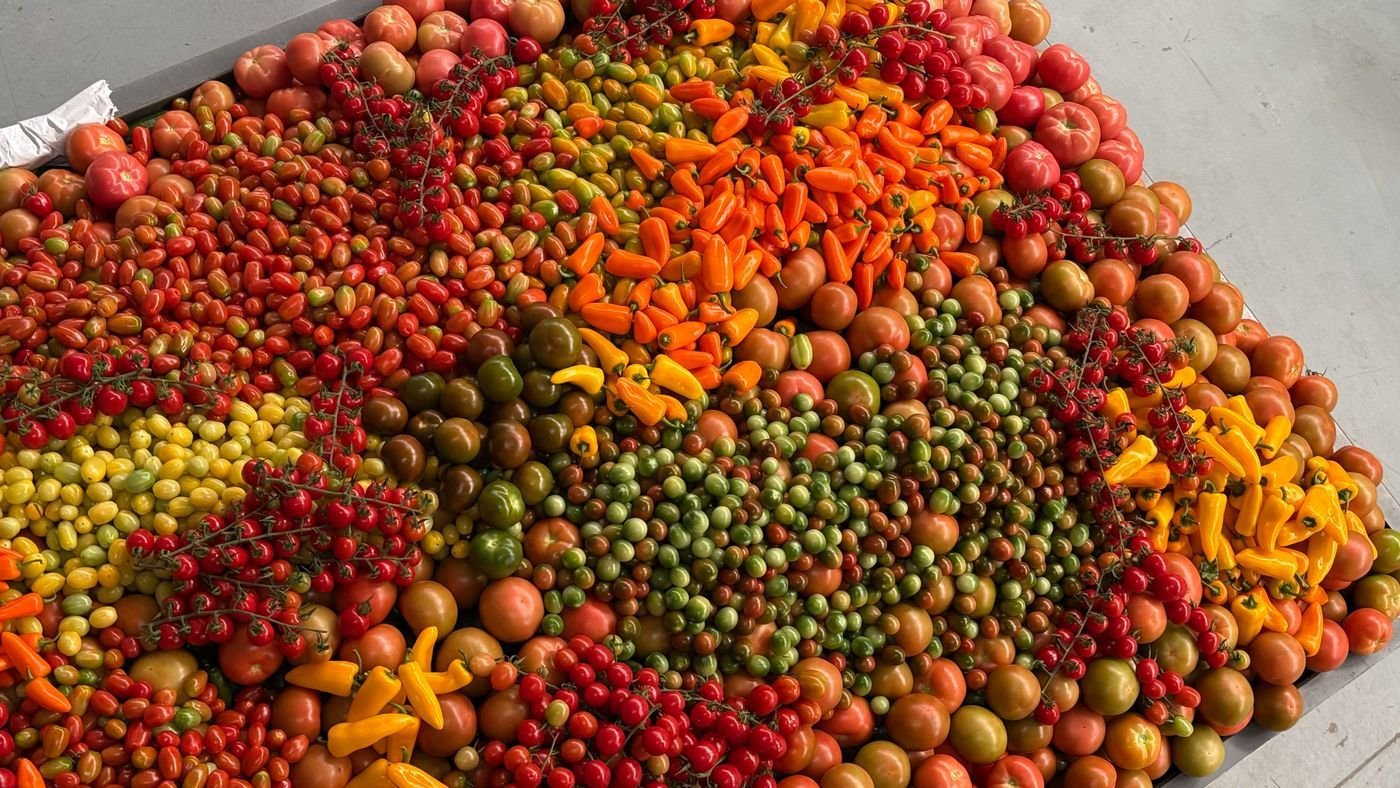
A vendor at my market sells tiny chilies by the scoop, a mixed pile of red, orange, yellow and green that looks like confetti. Every late summer I buy a small bag, and every year I relearn the same lesson: small does not mean mild. Some of the tiniest peppers in that pile are among the hottest.
Heat is one of the most useful tools in raw food. Without cooking, many dishes lean on acidity, salt and fat for depth, and a touch of chili ties those together. It wakes up a mango salad, adds warmth to a creamy cashew sauce and turns a simple tomato salsa into something you crave. The trick is learning to control it.
Know Roughly What You Are Holding
Chili heat varies enormously, even among peppers of the same variety grown in different conditions. As a rough guide, from gentle to fierce:
- Mild: poblano, Anaheim, shishito and most sweet mini peppers
- Medium: jalapeno, fresno and serrano
- Hot: cayenne, Thai bird chilies and tabasco peppers
- Very hot: habanero, scotch bonnet and anything the vendor warns you about
When in doubt, ask. Growers know what they have and are usually happy to tell you which of their small peppers will surprise you. Always taste a tiny sliver of the actual pepper before adding the rest, because two jalapenos from the same plant can be quite different.
Where the Heat Lives
Most of a chili's heat is concentrated in the pale ribs that hold the seeds, rather than in the seeds themselves, although seeds touching those ribs carry some too. That gives you an easy way to adjust:
- For a milder result, halve the chili, scrape out the ribs and seeds with a small spoon and use only the flesh
- For medium heat, keep a little of the rib
- For full heat, use the whole pepper, finely minced
Cut chilies on a separate small board if you can, and wear thin kitchen gloves when handling the hot varieties. The oils linger on your fingers for hours and sting badly if they reach your eyes. Wash knives and boards with warm soapy water right after.
Ways to Use Fresh Chilies Raw
Fresh chilies bring a green, fruity flavor along with the heat, something dried flakes cannot fully match. These are the ways I use them most:
- Minced finely into salsas with tomato, onion, lime and cilantro
- Sliced into thin rings and scattered over salads, so each bite gets a small spark
- Blended into dressings and sauces, where the heat spreads evenly
- Muddled with lime juice and salt as a quick dipping sauce for vegetable sticks
- Stirred into mashed avocado along with garlic and lime
Blending distributes heat more thoroughly than mincing, so start with less when making a sauce. You can always add more.
Taming Heat That Went Too Far
Everyone overdoes it eventually. If a sauce or salsa comes out too hot, do not throw it away. Fat and sweetness are your friends here. Stir in more avocado, blend in a handful of soaked cashews or a spoonful of tahini, or add chopped mango, pineapple or a date. Adding more of the base ingredients, along with a little extra acid, also helps by simply diluting the heat.
Preserving the Harvest
A bag of chilies goes a long way, so plan to keep some.
Quick pickled chilies are the easiest. Slice them into rings, pack them into a clean glass jar and cover with apple cider vinegar mixed with a little water and salt. Refrigerate. They are ready the next day and keep for weeks, and the brine doubles as a spicy vinegar for dressings.
Dehydrating works well for thin-walled varieties. Halve larger peppers or leave tiny ones whole, then dry at 115F until brittle, which can take 12 to 24 hours. Grind them into your own chili flakes. Run the dehydrator in a well-ventilated room, because drying hot peppers can make the air sharp.
A simple raw chili paste keeps for about a week in the fridge. Blend seeded chilies with garlic, a little olive oil, lime juice and salt, then store it in a small jar with a thin layer of oil on top.
The best advice I can give is patience. Add half of what a recipe calls for, taste, wait a minute because heat builds, and then adjust. Fresh chilies reward a light hand, and once you learn to use them well, you may find it hard to make a raw meal without them.