Purple, Green and White: Building a Raw Plate With Color and Crunch
Purple cauliflower, green broccoli and crisp white florets make a striking start, but a great raw plate needs texture too. A practical way to balance color, crunch, creaminess and chew.
 Naomi Okafor
Recipe Development Lead
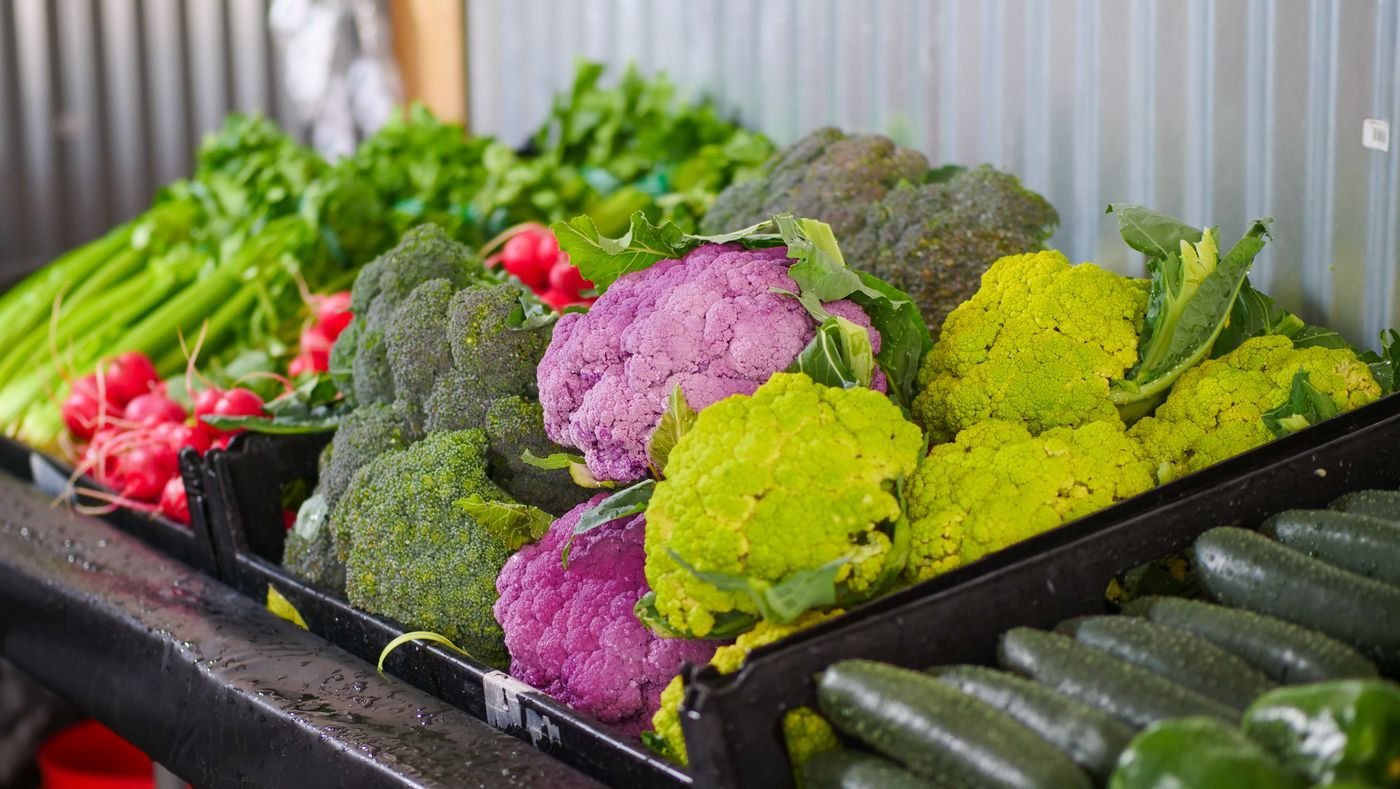
The first time I saw purple cauliflower at the market, I assumed it had been dyed. It had not. Next to it sat a pale green variety, a classic white head and a pile of dark broccoli crowns, and the whole table looked like a paint sample card. I bought one of each and spent the afternoon working out what to do with them raw.
That table taught me something I still think about every time I put food on a plate. Raw food has a huge advantage when it comes to color, because nothing has been dulled by heat. But color alone does not make a meal satisfying. Texture does just as much work, and the best plates are built with both in mind.
Why Color Is Worth the Effort
We eat with our eyes first. A bowl of all-beige or all-green food can taste perfectly good and still feel flat. When a plate has contrast, people slow down and pay attention. If you cook for skeptical family members, a vivid plate is often what earns the first bite.
My simple rule is to aim for at least three distinct colors on every plate, and to make one of them a surprise. Purple cauliflower, golden beets, pink radish or deep red cabbage all do that job well.
- Purple: cauliflower, red cabbage, purple carrots, radicchio
- Green: broccoli, romanesco, cucumber, herbs, avocado
- White and cream: white cauliflower, jicama, kohlrabi, soaked cashews
- Orange and yellow: carrots, golden beets, yellow squash, sweet peppers
- Red and pink: tomatoes, radishes, red peppers, pomegranate
Keeping Colors Bright
Some colored vegetables change once they are cut and dressed. Purple cauliflower and red cabbage get their color from pigments that respond to acidity. Toss them with lemon juice or vinegar and they turn brighter and more magenta. Pair them with something alkaline and they can drift toward blue. It is harmless, but worth knowing so you are not surprised.
Pale produce like jicama or apple browns over time, and a little citrus juice slows that down. Soft herbs bruise and darken if chopped with a dull knife or dressed too early, so add them at the last minute.
Texture Is the Other Half
A raw plate that is all crunch can feel like hard work to eat. A plate that is all soft feels monotonous. What you want is contrast every few bites. I think about texture in four groups:
- Crisp: raw florets, radish, cucumber, apple, snap peas
- Creamy: avocado, nut and seed sauces, blended dressings
- Chewy: dried tomatoes, marinated mushrooms, dates, dehydrated crackers
- Tender: massaged greens, thinly shaved vegetables, marinated slices
Try to include at least three of these on a plate. A bowl of cauliflower rice becomes far more interesting with a creamy tahini dressing, a few chewy dried tomatoes and a crisp handful of chopped broccoli on top.
Cutting Cauliflower and Broccoli for Raw Plates
These brassicas are the backbone of many raw meals, and the way you cut them changes everything.
Large florets are crunchy and a bit dense. They are great for dipping but can be too much in a salad. Break them into bite-size pieces by cutting through the stem underneath rather than across the top.
Pulsing florets in a food processor for a few seconds gives a rice-like texture that soaks up dressing beautifully. Stop before it turns to paste. Purple and white cauliflower rice mixed together looks especially striking.
Shaving a whole head with a sharp knife or mandoline creates thin, lacy slices that look elegant fanned across a plate. A light marinade of olive oil, lemon and salt for 15 minutes softens them just enough.
A Plate to Practice With
Here is a combination I make often in early spring. Start with a base of mixed purple and white cauliflower rice tossed in lemon, olive oil and salt. Add a spoonful of creamy cashew herb sauce to one side. Scatter small broccoli florets and thinly sliced radish over the top for crunch. Tuck in a few chewy dried tomatoes, then finish with chopped parsley and a handful of sunflower seeds that have been soaked, seasoned and dehydrated until crisp.
Look at the plate before you eat it. Purple, white, green, red and pink. Crisp, creamy, chewy and tender. It takes about 20 minutes to put together, and it is the kind of meal that makes people ask what you did differently. The answer is simply that you paid attention to how the plate looks and feels, and let the vegetables do the rest.