Low and Slow: Getting More From Your Dehydrator at 115F
A dehydrator turns corn, peppers, tomatoes and leeks into crunchy, chewy staples for the week. How to slice, load, time and store everything you dry at 115F without wasting a batch.
 Elliot Brandt
Kitchen Store Buyer & Equipment Tester
A dehydrator is the closest thing a raw kitchen has to an oven, but it works on a completely different logic. Nothing browns, nothing sizzles, and results are measured in hours rather than minutes. Once you understand how it actually removes moisture, though, it opens up a whole category of food: crackers, dried tomatoes, crisp corn, chewy pepper strips and wraps that fold without cracking.
Most raw food makers keep the setting at or below 115F. At that temperature the machine is really a warm cabinet with moving air. It pulls water out slowly while the food stays gentle and uncooked.
Air Temperature Versus Food Temperature
The number on the dial is the temperature of the air, not the food. While food is still wet, evaporation keeps its surface cooler than the air around it, the same way a damp cloth feels cool in a breeze. As the food dries, its temperature slowly rises toward the setting.
This is why drying takes patience. Turning the dial higher to hurry things along tends to harden the outside of a cracker or tomato before the center has released its moisture, leaving you with something leathery outside and damp inside. Low and steady gives a far more even result.
Prep Is Where Good Results Start
Uniform thickness matters more than anything else. A tray of tomato slices cut at different widths will give you some crisp pieces, some leathery ones and a few that are still wet in the middle.
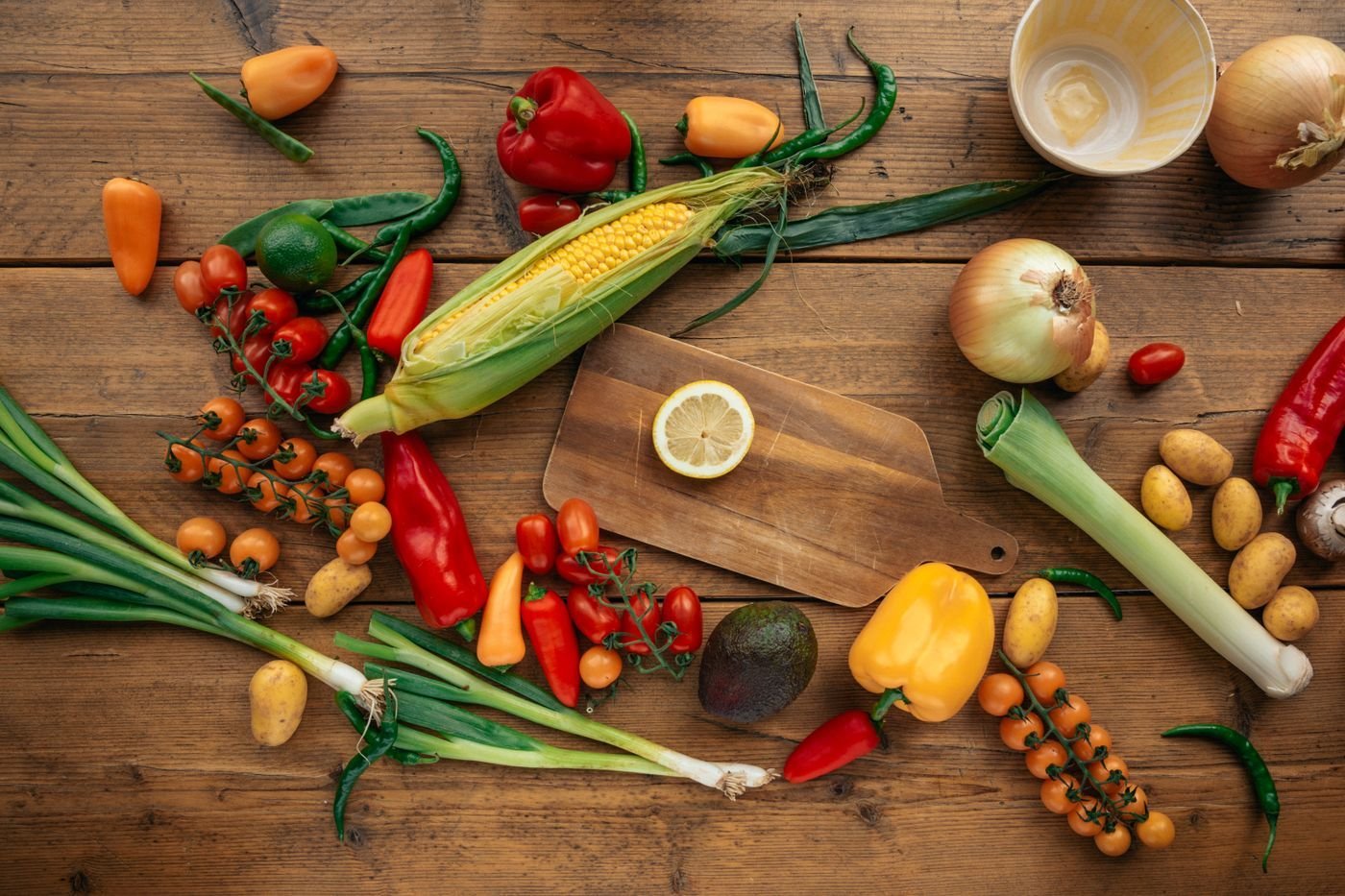
- Slice tomatoes about 1/4 inch thick, or halve cherry tomatoes and lay them cut side up
- Cut sweet peppers into strips about 1 inch wide and lay them skin side down
- Cut fresh corn kernels off the cob and spread them in a single layer on a mesh sheet
- Slice leeks into thin rounds and separate the rings
- Spread batters and purees evenly, about 1/8 inch thick, on nonstick sheets
A squeeze of lemon juice keeps pale produce from darkening. A pinch of salt draws moisture to the surface of tomatoes and peppers, helping them dry evenly while seasoning them at the same time.
Airflow is the whole game. Leave space between pieces so air can move around them, and never overlap. If your machine has a rear fan, the pieces nearest the fan will dry faster, so rotate trays top to bottom and front to back about halfway through.
For batters and wraps, start on a solid nonstick sheet. Once the top is dry to the touch, usually after six to eight hours, flip the piece onto a mesh screen and peel the sheet away. This lets the underside dry properly and gives an even texture throughout.
A Rough Timing Guide at 115F
Times vary with humidity, thickness and the machine itself, so treat these as starting points:
- Corn kernels: 10 to 14 hours until crunchy
- Sweet pepper strips: 8 to 12 hours until leathery, longer for crisp
- Tomato slices: 12 to 18 hours for chewy, up to 24 for crisp
- Leek rings: 6 to 8 hours until brittle, then crumble into a seasoning
- Flax and seed crackers: 12 to 20 hours total, with a flip
- Vegetable wraps: 6 to 10 hours, pulled while still flexible
To check doneness, take a piece out and let it cool for five minutes. Warm food always feels softer than it will once cool. Crisp items should snap cleanly. Chewy items should bend and tear without any beads of moisture showing.
Storing What You Make
Let everything cool completely on the tray before packing it. Warm food sealed in a jar creates condensation, and that is the fastest way to lose a batch. Glass jars with tight lids are my first choice. Fully crisp crackers and dried vegetables keep for several weeks in a cool, dark cupboard. Chewy items that still hold some moisture, like soft tomatoes and wraps, belong in the fridge.
If crackers lose their snap, put them back in the dehydrator for an hour or two and they will crisp right up again.
Making the Machine Earn Its Counter Space
The biggest mistake I see is running the dehydrator with a single tray. It uses about the same energy whether it holds one tray or nine, so plan a dehydrating day. Fill the top with tomatoes, the middle with pepper strips and corn, and the bottom with a sheet of crackers. By the next evening you have ingredients for the week: dried tomatoes for pesto, crunchy corn for salads, pepper strips for snacking and crackers for dips.
Treat it less like a cooking appliance and more like a patient assistant working while you sleep. Give it evenly cut food, room to breathe and enough time, and it will reward you every time.