One Market Trip, Seven Raw Days: How I Shop the Saturday Stalls
A single well-planned farmers market visit can carry a full week of raw meals. How to sketch a loose plan, buy in order of durability, talk to growers and prep everything in one hour.
 Diane Holloway
Founder & Editor-in-Chief
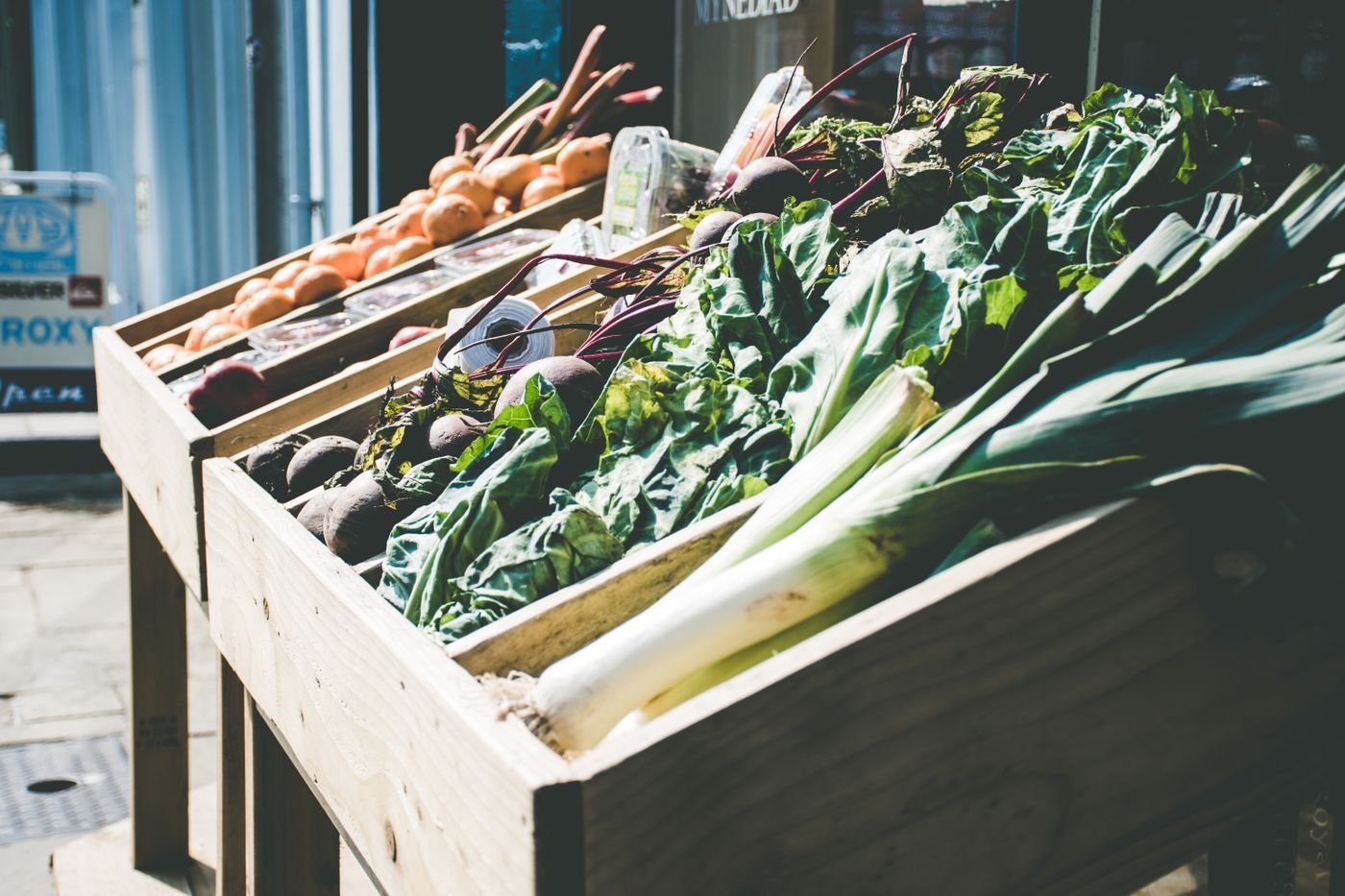
Saturday morning at the market on our street is my favorite hour of the week. The crates come out early, with leeks stacked like logs, chard in every stem color and lettuces still beaded with water. It is also the hour that decides whether my raw week goes smoothly or whether I am staring into a half-empty fridge by Wednesday.
After years of overbuying pretty things and underbuying useful ones, I have settled into a routine that feeds one or two people for a full week. Here is how it works.
Plan Loosely Before You Leave
I do not write a strict menu, but I do sketch the shape of the week on the back of an envelope. Roughly:
- Two or three big salads assembled fresh
- Two meals built around a sauce or pate made on the weekend
- One or two wrap or roll nights
- A dehydrator project if the weather is cool enough to run it
- Snacks of crunchy vegetables and fruit that travel well
This tells me I need sturdy greens, tender greens, crunchy vegetables for dipping, something for a sauce base and fruit. It stops me from coming home with six kinds of lettuce and nothing else.
The best advice I ever received was to do one full lap before buying anything. Quality and price vary more than you would expect from stall to stall, and the first chard you see is rarely the best chard in the market.
As you walk, notice what is abundant. When every stall has piles of something, it is at its peak, it tastes better and it is usually cheaper. That becomes the anchor of the week.
Buy in Order of Durability
Think about the week in terms of what will last, and plan to eat the most fragile things first:
- Days 1 to 2: tender lettuces, herbs, berries, ripe tomatoes, soft fruit
- Days 2 to 4: chard, spinach, cucumbers, zucchini, sweet peppers
- Days 4 to 7: kale, cabbage, leeks, carrots, beets, radishes, apples, citrus
Leeks deserve special mention because they are underrated in raw food. Sliced paper thin and softened with lemon juice and salt, they add a gentle onion flavor to dressings and salads, and they keep for well over a week in the fridge.
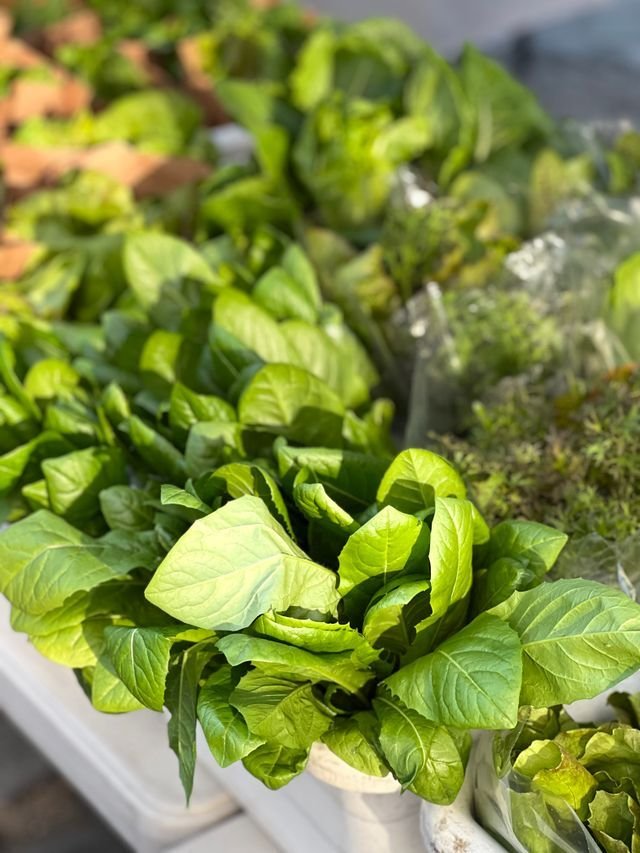
Chard is another workhorse. The large leaves make excellent wraps, and the stems can be sliced finely into salads for crunch. Choose bunches with glossy, unwilted leaves and firm stems.
Talk to the Growers
The people behind the table know things no label can tell you. Ask when something was picked. Ask which tomato is best eaten raw this week. Ask what is coming next Saturday so you can plan ahead. Many growers will set a bunch aside for regulars or point you toward seconds, slightly imperfect produce sold at a lower price that is ideal for blending into soups and sauces.
Bring small bills and your own bags. A couple of sturdy totes for heavy roots, a cloth bag for greens and a rigid container for anything that bruises easily will get everything home in good shape.
The Hour That Makes the Week Work
What you do when you get home matters as much as what you buy. I set aside about an hour right after the market.
- Wash and spin dry the sturdy greens, then wrap them in towels and store them in large containers
- Trim tops from roots and store greens and roots separately
- Stand herbs in a jar of water in the fridge, loosely covered, like a bouquet
- Make one sauce, such as a cashew herb dressing or a sunflower seed pate
- Cut a container of crunchy vegetables for snacking
Tender lettuces I leave unwashed until the day I eat them, because extra moisture shortens their life.
A Sample Basket
For one person for seven days, a typical spring basket from our market looks something like this: two heads of lettuce, a large bunch of chard, a bunch of kale, two leeks, a bunch of carrots, a bunch of radishes, three cucumbers, a pint of cherry tomatoes, a bag of apples, lemons, a few bunches of herbs and whatever fruit looks best that day. Add avocados, nuts and seeds from the pantry, and that is a full, varied week of raw meals.
Shopping this way has turned the market from an impulse spree into a quiet ritual. I come home with bags that are heavy but not overwhelming, and by the next Saturday the crisper drawer is empty and ready to fill again.